
Top International Moving Co for Easy Global Relocation
Moving to another country is a big life decision. Whether you are relocating for a job, business exp...

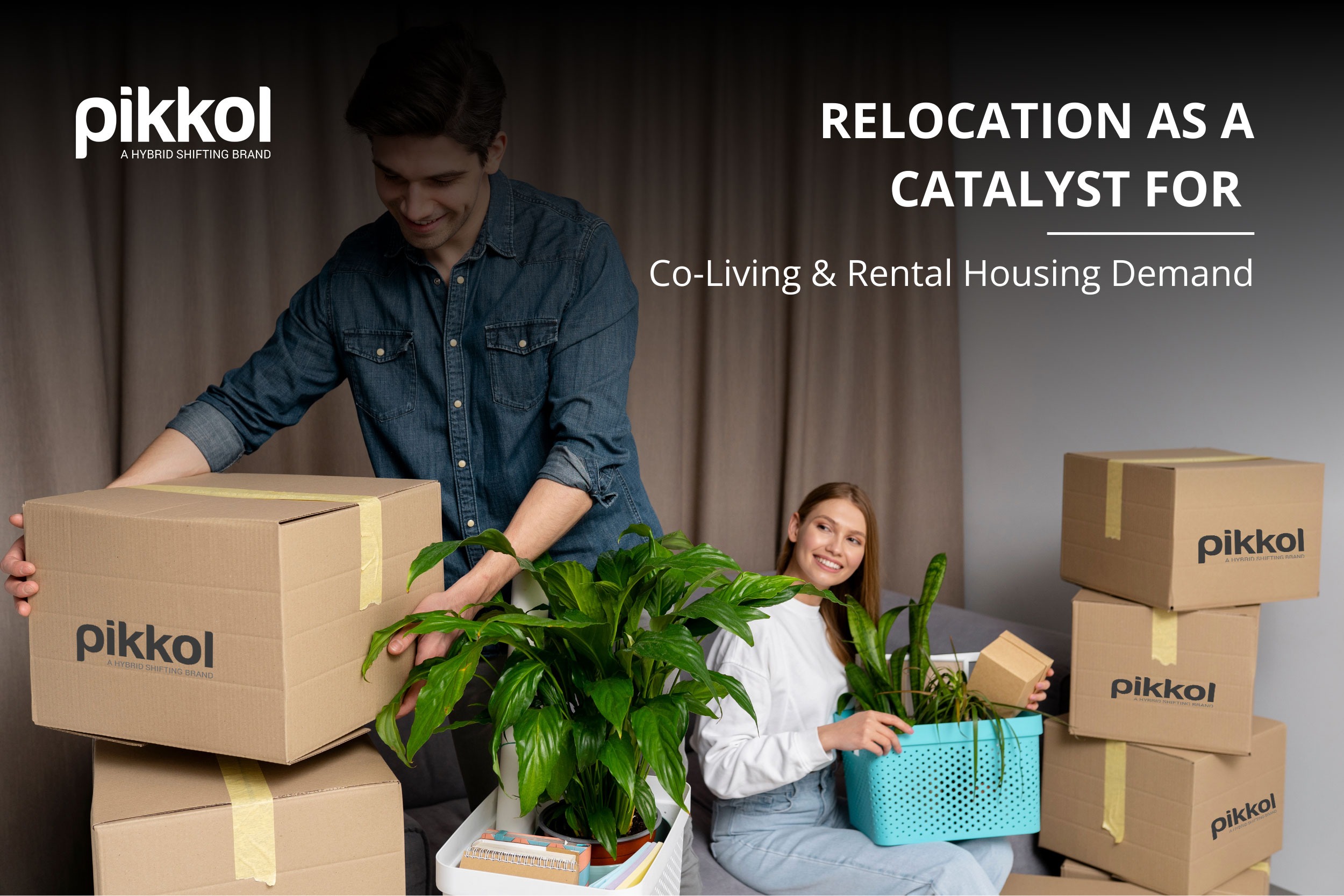
For generations homeownership was seen as the very definition of stability - a dream that was actually pretty straightforward: buy a house, settle down & stay put for good.
But today's housing market tells a different story altogether.
Mobility - not permanence - is now shaping how people think about home & where they want to live its professionals moving to new cities in search of better jobs & lifestyles, the freedom to work remotely from anywhere in the world, or just the chance to take on amazing global opportunities. And this growing culture of moving & settling in new places is quietly revolutionising two major areas of the real estate market: co-living spaces & rental housing.
The suitcase, not the mortgage, is fast becoming the symbol of modern demand for housing.
The Shift: From Having Your Roots Down to Living Life On The Move
The modern relocater isn't about settling in straight away - they're more focused on living life on their own terms.
Whether it's a young tech pro moving to a hot city to kickstart a new career, a graduate just starting out in their first job, or an executive being sent to work overseas, people these days are all about flexibility and freedom before they worry about putting down roots.
Instead of rushing out to buy a place the minute they arrive in a new city, a lot of them are adopting a "try before you commit" attitude - they want to get to know the local area, figure out the commute and all that comes with it, and get a good idea of where they're headed long-term before parting with a big chunk of cash.
This mindset is basically fuelling demand for rentals.
Why Relocating Is Taking Co-Living from Niche to Normal
Co-living used to be seen as slightly popular with students or short-term renters. But now it's a mainstream solution for urban re-locators on the move.
1. Built in People
When you're moving to a new city & leaving behind your social network, that can be a lonely old place to find yourself. Co-living spaces help fill that gap by throwing in shared amenities, community events, and even collaborative workspaces.
For professionals who've been transferred by their company or who are using a top international relocation service, being able to tap into a ready-made community really reduces the isolation that comes with moving to a new place.
You're not just renting a room - you're stepping into a community - a whole new crew of people to help you navigate your new life.
2. Matching the Inflexible World of Work with Flexibility
Jobs are constantly changing, contracts are being rewritten and startups are suddenly pivoting in a completely different direction. And let's not even get started on the state of remote work, which can change on a dime.
This is where flexible leases come in - especially handy for people who work with International Relocation companies and are constantly dealing with short term or project based assignments. Being locked into a long term lease is a nightmare.
Rigid leases just aren't suitable for the way people work anymore.
3. Seamless Arrival (and Not a Whole Lot of Hassle)
Let's get real - the last thing on your mind when you're relocating to a new city is finding furniture and setting up your apartment from scratch.
That's where co-living comes in - they provide fully furnished apartments, all the utilities, internet and even housekeeping services - it's like having the International Relocation company of the real estate world. Easy peasy.
For a lot of people, it's worth paying a bit more for the extra convenience.
The Backlash Effect on Traditional Rentals
While co-living spaces are great for getting a foothold in a new place, the longer term impacts on rental markets are getting tighter.
The Rise of the 'Rent, Not Buy' Crowd
When you've got home prices and interest rates through the roof, buying a house just isn't a viable option for a lot of people in high growth areas. So, they start looking for long term rentals - people with stable jobs, good credit and professional employment, who may be relocating domestically or through an International Relocation service.
Build-to-Rent Communities are Gaining Popularity
Investors are responding to this trend by building Build-to-Rent (BTR) communities - suburbs designed specifically for renters who want the space but don't want to be tied down by owning a home.
These developments are perfect for professionals and families who are relocating for work and want the freedom to have their own space without the financial burden of owning a home. And the type of renter that's emerging - one who values space, flexibility and optionality.
What This Implies for People Who Own Property and Invest in it
If this whole relocation thing is the new way things are going, then property owners and investors are going to have to start thinking about doing things a bit differently.
1. Think About Getting Units Ready for People to Just Move Right In
Furnished or semi-furnished places are a no-brainer for people who are relocating because all they have to do is show up and move in.
2. Design Your Buildings with Making Connections in Mind
Having co-working lounges, some decent outdoor spaces to hang out, and other pet-friendly perks means less hassle for someone who is trying to get their life set up in a new place.
3. Be Willing to Negotiate Lease Terms
The thing is, people who are relocating are often comparing places to see which one is the most flexible. So if you can offer some flexibility with your lease terms, you might be able to pull ahead of the competition.
4. Keep an Eye on Where People Are Moving From and To
The more people are moving around all over the world, the more it makes sense for landlords to work with people who specialise in relocation - you know, like an International Packers movers company. This way, you get in on the action early and get a headstart.
The Bigger Picture
People just aren't tied to one place anymore. They can work from anywhere, companies are setting up offices all over the world, and people are choosing to live in different cities and countries - all thanks to work-from-home policies, satellite offices and people just plain wanting to live in a different place.
And with all this movement going on, the housing market isn't stuck in one place either.
The future of where people live isn't about people staying put, it's about people being on the move. Co-living spaces, normal old rentals and Build-to-Rent developments aren't just temporary fads - they're a long-term response to a population that is always on the move.
Home is no longer some place you stay at for the rest of your life. It's a place to call home for now.
For now, that place is renting.
Moving to another country is a big life decision. Whether you are relocating for a job, business exp...
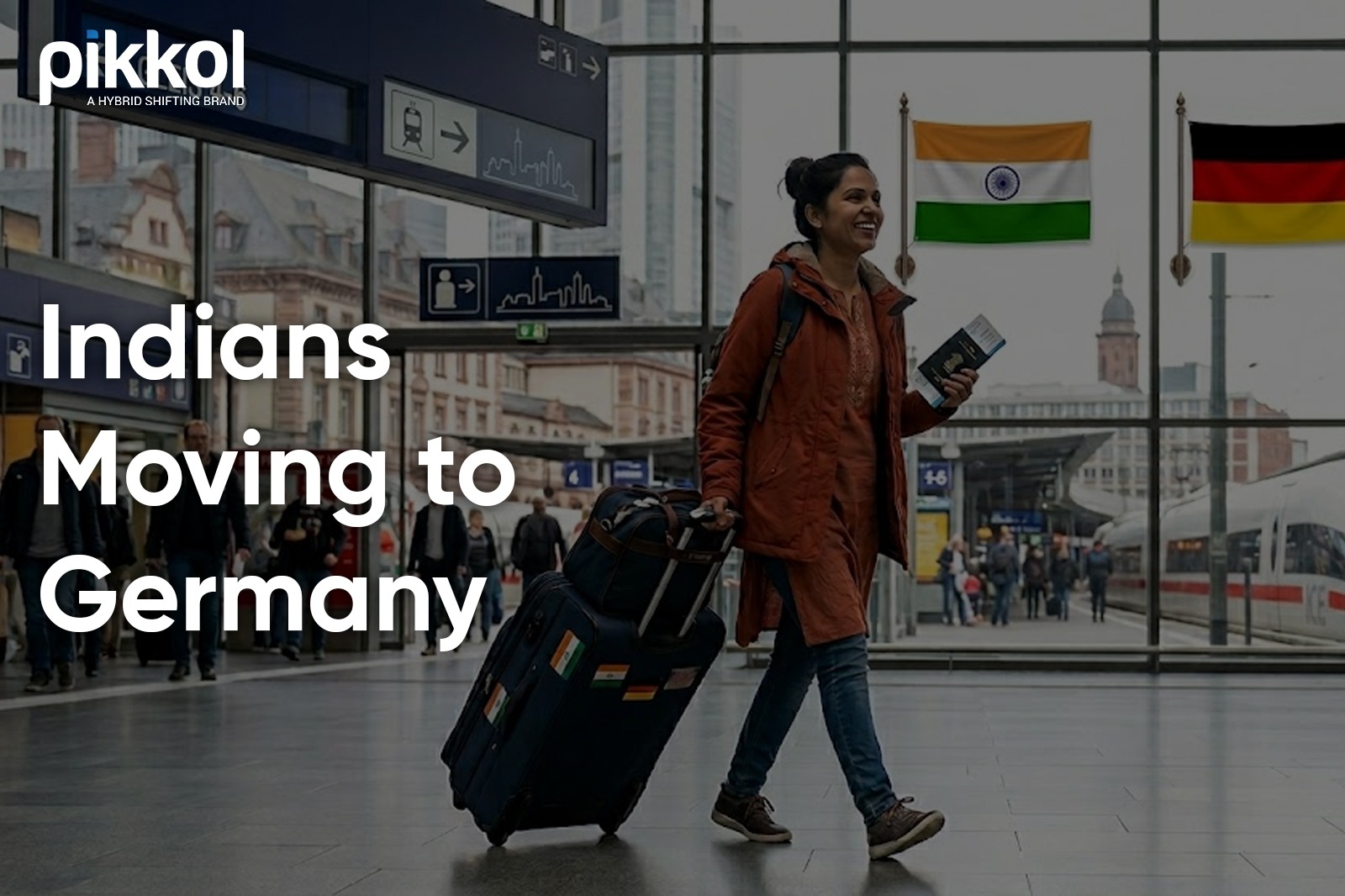
A complete guide for Indians planning a smooth and stress-free relocation to Germany. Germany has b...

A Complete Step-by-Step Guide for a Smooth and Stress-Free International Relocation Dubai has becom...